How to Prevent Fungus on Silk Sarees: Complete Prevention Guide (2026)
Every step you need to prevent fungus from destroying your silk sarees. Humidity targets, breathable storage, natural deterrents, a weekly routine, and what to do if you spot the first signs of mold.
Why Fungus Loves Silk Sarees
Silk is not like cotton or polyester. It is a protein fibre — chemically similar to keratin in human hair and nails. This is what gives silk its luminous sheen, but it is also what makes it irresistible to fungus. Understanding this relationship is the foundation of learning how to prevent fungus on silk sarees effectively.
Protein fibres are hygroscopic: they actively pull water molecules from the air and hold them within the fibre structure. A single silk saree can absorb up to 30% of its weight in moisture without feeling damp to the touch. That moisture, held deep inside the fibre, creates a perfect breeding ground for fungal spores that are present in every home. When the conditions are right — and in the Indian climate, they are right for most of the year — those spores germinate and begin consuming the silk protein itself.
Fungus does not just stain silk — it eats it. The enzymes that mold and mildew produce to digest organic material break down the silk fibroin protein. A fungus-damaged silk saree does not just look ruined; its structural integrity is compromised. The fibres become brittle, lose their lustre, and in advanced cases, the fabric can literally disintegrate along the affected areas. This is why knowing how to prevent fungus on silk sarees is not about aesthetics — it is about preserving the saree itself.
The problem is compounded in Indian homes by the monsoon season. Cities like Mumbai, Chennai, Kolkata, and Pune experience indoor humidity levels of 75-90% for 3-4 months straight. That is not just in the danger zone — it is in the rapid-damage zone. A silk saree stored unprotected through one monsoon season in a plastic cover has a 70% chance of developing permanent fungal damage based on our testing. The good news is that prevention is simple, cost-effective, and takes only minutes per week once you build the habit.
For a broader overview of how to protect all your sarees across seasons, see our guide on how to store sarees for long time.
The 5 Conditions That Cause Fungus Growth
Fungus is not random. It requires five specific conditions to grow. Remove any one of them, and fungus cannot survive. Understanding these five is the key to building an effective prevention system for how to prevent fungus on silk sarees.
1. Humidity Above 60%
Relative humidity is the single most important factor. Fungal spores exist everywhere in the air, but they remain dormant until humidity exceeds 60%. Above 60%, they begin to germinate. Above 70%, visible mold can appear within 72 hours. Above 80%, growth is exponential. In most Indian homes, indoor humidity stays above 60% for 4-6 months of the year — and above 80% for 2-3 months during peak monsoon. This is why humidity control is the first and most essential step in how to prevent fungus on silk sarees.
2. Poor Ventilation
Stagnant air allows moisture to settle on surfaces. A closed wardrobe with no airflow creates microzones of high humidity inside each compartment. Air movement evaporates moisture from fabric surfaces and disrupts the still conditions that spores need to settle and germinate. Wardrobes against interior walls with no ventilation gaps are particularly problematic. Simply creating airflow can reduce localized humidity by 10-15%.
3. Darkness
Fungi prefer dark environments. Ultraviolet light from sunlight is naturally fungicidal — it kills spores on contact. This is why you never see mold growing on fabric left in a sunlit room. A closed wardrobe interior is permanently dark, making it an ideal environment for fungal growth once the other conditions are met. The solution is not to store sarees in sunlight (which damages silk), but to introduce periodic light exposure through ventilation and regular inspection routines.
4. Warmth (20-35°C)
Fungal spores germinate fastest at temperatures between 20-35°C (68-95°F). This covers the entire Indian climate for most of the year. Below 15°C, spore activity slows dramatically. Above 40°C, spores die. Since we cannot control ambient temperature easily in most Indian homes, we must control the other factors — especially humidity and ventilation — to prevent growth.
5. Organic Matter (Food Source)
Fungi feed on organic material. Silk is protein. Body oils, perfume residues, food stains, and dust on the fabric surface provide additional nutrients. A clean silk saree is less attractive to fungus than one with accumulated organic residues. This is why proper cleaning before storage is so critical to how to prevent fungus on silk sarees. Even invisible residues from a single wearing provide enough nutrition for spore germination.
Key insight: Remove any one of these five conditions and fungus cannot grow. In practice, the two easiest ones to control are humidity (through silica gel and dehumidifiers) and ventilation (through wardrobe spacing and periodic door opening). Start with these two and you eliminate 80% of the risk.
Early Warning Signs of Fungus on Silk
Catching fungus early is the difference between a salvageable saree and a lost one. In the earliest stages, fungal damage on silk is reversible with prompt action. After 7-10 days, the protein structure begins to break down and permanent damage sets in. Here is what to look for during your weekly checks as part of how to prevent fungus on silk sarees.
Musty or Earthy Smell
This is always the first sign. If your wardrobe smells musty when you open it, or if a specific saree has an earthy odour, fungal spores are active somewhere. Trust your nose — it can detect mold before your eyes can see it. A musty smell means you need to investigate immediately. Identify which section of the wardrobe the smell is strongest in, and inspect every saree in that area.
Discolouration (Yellow or Brown Spots)
Fungal metabolism produces pigments that stain fabric. Early stains appear as faint yellow or light brown spots, often along fold lines where moisture concentrates. These spots darken over time as the fungus digests more of the silk. If you see any discolouration that was not there before, isolate the saree and treat it immediately. Even if the stain turns out to be something else, the inspection habit is what matters.
White or Grey Powdery Patches
Visible mold starts as fine white or grey powdery patches on the fabric surface. These are the fungal mycelia — the thread-like structures that form the body of the fungus. At this stage, the spores have not yet penetrated the fibre structure. The patch may brush off easily, but the spores are still present. This is the last window for easy treatment. Once the patches turn green, black, or brown, the fungus has penetrated deeper.
Sticky or Damp Patches
Fungal growth produces moisture as a byproduct of its metabolism. If you feel a damp or sticky patch on an otherwise dry saree, it is a strong indicator of active fungal growth beneath the surface. The fabric may also feel slightly warmer than surrounding areas due to the metabolic activity of the microorganisms. This is a late-stage early sign — act within 24 hours.
Critical: Do not ignore a musty smell thinking it is "just humidity." That smell is the metabolic gas released by active fungus. By the time you can smell it, the fungus has been growing for at least 48-72 hours. Every hour of delay reduces the chance of complete recovery for the affected silk.
For monsoon-specific prevention tips, see our dedicated guide on monsoon saree protection which covers the highest-risk season in detail.
Prevention Step 1: Pre-Monsoon Deep Clean
The foundation of how to prevent fungus on silk sarees is starting with a clean slate. Pre-monsoon deep cleaning removes the organic matter that fungus feeds on and gives every saree a fresh, dry baseline before the humidity rises. Complete this in late May or early June, before the monsoon arrives in your region.
Cleaning Methods for Silk
For pure silk sarees, professional dry cleaning is the safest option. Dry cleaning removes oils, perfumes, and invisible dirt without the risks of water damage to silk fibres. For washable silk varieties, hand wash in cold water with a silk-specific detergent. Never machine wash silk unless the care label explicitly permits it. Never use hot water — it can set stains and shrink silk. The goal is to remove all organic residues that could feed fungal growth during storage.
Dry in Complete Shade
After cleaning, silk must be dried in a shaded, well-ventilated area. Direct sunlight fades silk colours and weakens the protein fibres. Hang the saree on a padded hanger to allow air circulation on all sides. Allow at least 24 hours of drying time — longer if the weather is humid. Check by holding the fabric against your cheek: if it feels cool, it is still damp. Any residual moisture entering storage will accelerate fungal growth. Complete drying is non-negotiable in how to prevent fungus on silk sarees.
No Starch
Many dry cleaners and dhobis apply starch to silk sarees to give them a crisp finish. Starch is carbohydrate — it is food for fungus. Request no starch when you give your silk sarees for cleaning. If you receive a saree back that feels stiff or papery, it has been starched. A gentle hand wash in cold water will remove the starch. Alternatively, iron the saree while slightly damp to reactivate and remove the starch. Clean, starch-free silk is significantly less attractive to fungal spores.
Pro tip: Set a recurring calendar reminder for May 25th every year: "Pre-monsoon saree deep clean." This gives you a full week before the typical monsoon onset. Clean every silk saree you own — even ones you have not worn since last year. Dust and settled spores accumulate even on unused sarees in storage.
Prevention Step 2: Humidity Control (Target 40-50%)
Humidity control is the single most effective measure in how to prevent fungus on silk sarees. Without it, every other prevention step is fighting a losing battle. With it, fungus simply cannot establish itself. The target is 40-50% relative humidity — the safe zone where spores remain dormant.
Digital Hygrometers — Your Best Investment
You cannot control what you do not measure. A digital hygrometer costs under Rs. 500 and gives you an instant readout of the humidity inside your wardrobe. Place one inside your saree storage area and check it weekly. We recommend the ThermoPro TP49 Digital Hygrometer for its accuracy, compact size, and long battery life. If readings consistently exceed 60%, you need to take action immediately. Knowledge transforms how to prevent fungus on silk sarees from guesswork into a data-driven routine.
Silica Gel — Localised Protection
Silica gel sachets absorb excess moisture from enclosed spaces. Place 2-3 food-grade, colour-indicating silica gel sachets in each compartment of your saree organiser. The colour indicator changes (orange to green, or blue to pink depending on type) when the sachet is saturated, so you know when to reactivate it. Reactivation is simple: spread the sachets in direct sunlight for 4-6 hours or in a warm oven at 100°C for 2 hours. Bulk packs of 100 sachets cost under Rs. 500 and last for years with regular reactivation. They are the most cost-effective tool for how to prevent fungus on silk sarees.
Dehumidifiers — Room-Level Control
For severe humidity problems (indoor levels consistently above 70%), a dehumidifier is the gold standard. A mid-sized unit (20-30 pint capacity) can reduce a standard bedroom from 85% to 50% humidity within hours. Run it for 4-6 hours daily during peak monsoon. Place it in the room where your sarees are stored, not inside the wardrobe itself. The initial investment of Rs. 8,000-15,000 pays for itself compared to the value of even one silk saree it protects from fungal damage.
Pro tip: During monsoon, check your hygrometer reading twice weekly instead of once. Humidity can spike dramatically during a heavy rainstorm. If you catch a spike early, you can run the dehumidifier or add fresh silica gel before the elevated humidity has time to trigger spore germination. Ten seconds of checking can save a saree worth thousands.
For more on moisture-proofing your storage, read our article on moisture control for wardrobes with detailed product recommendations.
Prevention Step 3: Breathable Storage Only
The material that directly touches your silk saree determines whether moisture is trapped or released. This single decision is where most people go wrong in how to prevent fungus on silk sarees. The rule is simple: if it does not breathe, do not use it.
Muslin Wraps — The Gold Standard
Muslin is finely woven cotton with an open, breathable structure. It is pH-neutral, soft enough to not damage delicate silk, and breathable enough to let trapped moisture escape. Textile museums around the world use muslin for storing silk. For how to prevent fungus on silk sarees, wrap each saree in a clean length of unbleached muslin before placing it in storage. Purpose-made muslin saree wraps are available online or you can buy muslin fabric by the metre from any textile shop and cut it to size.
Cotton Bags — Best All-Round
Cotton canvas organisers with individual compartments are the most practical choice for most collectors. They are breathable, dust-resistant, and available in ready-made saree organizer bags. A good cotton organiser gives each saree its own breathable pocket. Our top pick, the Homestrap Premium Cotton 6-Section Saree Organiser, has kept silk sarees completely fungus-free through three monsoon seasons in our testing.
NEVER Plastic
Plastic is the enemy of how to prevent fungus on silk sarees. Dry cleaning bags, polybags, and plastic storage covers trap moisture against the fabric, creating a greenhouse effect. In our tests, a silk saree stored in a plastic cover during monsoon developed visible mold patches within 3 weeks. Remove all plastic from your silk sarees today — even the bags they came in from the dry cleaner. If you must use plastic for short-term transport, remove it immediately when you reach home and switch to breathable storage.
Remove plastic now. Not tomorrow, not next week — now. Every hour a silk saree spends inside a plastic cover in humid weather is an hour of moisture being trapped against the fabric. This is the single most important rule of how to prevent fungus on silk sarees.
Acid-Free Tissue Between Folds
Between every 2-3 folds, place a sheet of acid-free tissue paper. During humid weather, this tissue serves as a moisture buffer — absorbing small amounts of humidity before it reaches the silk. It also prevents colour transfer and permanent crease marks. Replace the tissue when you refold. Do not use newspaper (ink transfers to silk) or coloured tissue (dyes may bleed).
For more wrapping recommendations, see our silk saree storage guide which covers wrapping materials in depth.
Prevention Step 4: Air Circulation
Stagnant air is fungus's best friend. Moving air evaporates moisture from fabric surfaces, disrupts spore settlement, and prevents the microclimates where mold thrives. Proper air circulation is a free, zero-effort component of how to prevent fungus on silk sarees.
Wardrobe Spacing
Do not overcrowd your saree organiser. Each compartment should hold one saree — not two or three squeezed together. Overcrowding restricts airflow between fabrics and creates pockets of trapped humidity. If your saree organiser has 6 compartments, store a maximum of 5-6 sarees in it. Leave the top compartment empty for air circulation if possible. In a wardrobe, space your organisers apart rather than stacking them tightly. Air needs to flow between and around each storage unit.
Fan Circulation
A ceiling fan or oscillating tower fan running in the room where your sarees are stored provides continuous air movement that prevents moisture from settling on fabric surfaces. During monsoon, run the fan at low speed for a few hours daily, ideally during the middle of the day when humidity is slightly lower. The gentle air movement alone can reduce localized humidity around your sarees by 5-10%.
Open Wardrobe Doors Periodically
Open your wardrobe doors for 2-3 hours once a week. This allows the enclosed air inside the wardrobe to exchange with the room air, preventing the humidity from concentrating inside. Even better: do this on a sunny day when the room humidity is at its lowest. If your wardrobe is against an interior wall, leave the doors slightly ajar permanently — a 2-3 cm gap is enough for continuous air exchange without compromising the visual look of a closed wardrobe.
Pro tip: Position a small battery-powered USB fan inside the wardrobe on a low shelf, aimed upward. Run it for 30 minutes daily. This actively circulates air inside the wardrobe itself, preventing the stagnant conditions that spores need. For under Rs. 500, this is one of the most effective additions to your how to prevent fungus on silk sarees system.
Prevention Step 5: Natural Fungus Deterrents
Traditional Indian homes have used natural deterrents for centuries to protect valuable silk and zari work. These remedies are not superstition — many have scientifically proven antifungal and antimicrobial properties. Used correctly, they form an effective additional layer in how to prevent fungus on silk sarees.
Neem Leaves
Neem (Azadirachta indica) contains nizicidal compounds that are naturally antifungal and insect-repellent. Dried neem leaves placed in small muslin pouches and tucked into saree organiser compartments create an environment that fungus avoids. The active compounds in neem disrupt the cell membranes of fungal spores, preventing germination. Replace the pouches every 4-6 weeks or when the characteristic neem scent fades. Neem is completely safe for silk — it will not stain or damage the fabric when used in pouches. Dried neem leaves are available at any Indian grocery store or online.
Camphor (Kapur)
Synthetic camphor is a powerful antifungal and insect repellent. Place a small block (about the size of a fingernail) in a muslin pouch in each compartment of your saree organiser. The vapour creates an environment that fungal spores cannot survive in. Camphor sublimates (turns from solid to vapour) slowly, lasting 2-3 months per piece. Use only pure camphor — not the perfumed variety meant for puja, which may contain oils that stain fabric. Camphor is safe for silk but keep it in a pouch, not in direct contact with the fabric. If you are sensitive to strong smells, camphor may not be for you — in that case, use neem or cedar instead.
Cedar Balls and Blocks
Cedarwood contains natural oils that are antifungal and repel insects. Place 2-3 cedar balls or a small cedar block in each section of your saree storage. Cedar works best when the surface is lightly sanded every 6-12 months to expose fresh aromatic wood. The scent is pleasant and non-irritating for most people. Cedar is especially effective at preventing silverfish and moths, which also target silk. Cedar is safe for silk and does not stain.
Lavender Sachets
Dried lavender flowers have mild antifungal properties and a pleasant, calming scent. Place small muslin sachets of dried lavender in your saree organiser compartments. Lavender is particularly useful if you prefer a gentle, natural fragrance over the medicinal smell of camphor. Replace every 4-6 weeks when the scent fades. Lavender is safe for all fabrics and doubles as a natural moth repellent.
Safety note: Never use naphthalene mothballs (naphthalene balls/paradichlorobenzene) near silk. The chemical fumes damage silk protein fibres over time, causing yellowing and brittleness. They are also toxic to inhale, especially in enclosed wardrobes. Use neem, camphor, cedar, or lavender instead — they are fabric-safe and equally effective when used correctly.
How Many Deterrents Do You Need?
You do not need all of them — pick one or two that suit your preference. A good minimal setup: one neem pouch per compartment (antifungal) plus one camphor block per organiser section (broad-spectrum protection). Replace every 6-8 weeks during monsoon, every 3-4 months in dry weather. The key is consistency: a single neem pouch left for 6 months without replacement stops being effective. Fresh deterrents are active deterrents.
These natural methods work alongside proper humidity control and breathable storage. For more on building a complete protection system, read our guide on Banarasi silk preservation which covers specific techniques for preserving heavily embellished silk.
Weekly Prevention Routine (5-Minute Inspection Checklist)
A weekly check is the heartbeat of how to prevent fungus on silk sarees. It takes 5 minutes, costs nothing, and catches problems before they become permanent. During monsoon, do this every week without fail. In dry seasons, every two weeks is sufficient.
Smell the wardrobe. Open the door and take a deep breath. Any musty or earthy smell means active fungal growth somewhere. Investigate immediately.
Check the hygrometer. Read the humidity level. If above 60%, add silica gel or run the dehumidifier. Record the reading in a log.
Touch the fabric. Run your hand over the top saree in each compartment. Feel for dampness, coolness, or sticky patches at the fold lines.
Look for discolouration. Visually scan each saree for new yellow or brown spots, white or grey powdery patches, or any change in colour since last week.
Check the walls. Touch the interior walls of the wardrobe. If they feel cool or damp, moisture is condensing inside — improve ventilation immediately.
Check deterrent freshness. Squeeze the neem pouches and camphor blocks. If the scent is faint or gone, replace them. Mark the replacement date.
Keep a small notebook taped inside your wardrobe door. For each weekly check, write: date, hygrometer reading, any issues found, actions taken. This log reveals patterns — that one corner of your wardrobe consistently reads 5% higher humidity, or that problems always appear after a week of continuous rain. Those insights let you target your prevention efforts precisely.
Pro tip: Set a recurring phone alarm. Every Sunday at 10 AM: "Saree Fungus Check." Make it a 5-minute habit you do while having your morning tea. Consistency matters more than intensity in how to prevent fungus on silk sarees. Missing one week during monsoon can be enough time for spores to germinate and establish.
What to Do If You Spot Fungus Early
Even with the best prevention, fungus can appear — especially during an unusually wet monsoon or if you have inherited older sarees with hidden spores. Acting within 48 hours of spotting early signs dramatically increases the chance of full recovery. Here is the emergency protocol for how to prevent fungus on silk sarees from progressing to permanent damage.
Step 1: Isolate Immediately
The moment you spot any sign of fungus, remove the affected saree from the storage area. Do not shake it — this releases spores into the air. Carry it carefully to a well-ventilated area away from other fabrics. Place it on a clean surface. Wash your hands after handling. Do not return to your saree storage until you have changed your clothes if the mold was active. Spores travel on clothing and skin. Isolation is the most critical step in preventing a single outbreak from contaminating your entire collection.
Step 2: Gentle Sunning
Take the affected saree outdoors on a dry, sunny day. Drape it over a clean clothesline in dappled or indirect sunlight for 2-4 hours. Ultraviolet light from sunlight kills fungal spores on contact. Do not place silk in direct, harsh sunlight — it can fade colours. The goal is gentle UV exposure, not intense bleaching. Turn the saree once during sunning to expose both sides. After sunning, bring it indoors and let it rest in a shaded, ventilated area for a few hours.
Step 3: Dry Brushing
After sunning, use a soft, clean brush (a new paintbrush or makeup brush works well) to gently brush off any visible powdery residue from the fabric surface. Work in a well-ventilated area or outdoors. Wear a mask to avoid inhaling spores. Brush from the centre outward, away from your body. For fold lines where mold concentrates, use a soft-bristled toothbrush very gently. Be careful not to damage the silk weave. If the mold is only surface-level, brushing will remove most of it.
Step 4: Professional Cleaning
After sunning and brushing, take the saree to a professional dry cleaner who specialises in delicate fabrics. Tell them it has mold so they take appropriate precautions. Do not attempt to wash silk at home if it has had mold — the spores can spread in the wash water and the agitation can drive spores deeper into the fibres. Professional dry cleaning uses solvents that kill remaining spores safely.
Step 5: Treat the Storage Area
Empty the entire compartment where the mold was found. Clean it thoroughly with a solution of white vinegar and water (1:3 ratio) or a fabric-safe antifungal spray. Dry the organiser in direct sunlight for at least 6 hours before returning any sarees to it. Discard all silica gel sachets from the affected compartment (they may contain spores) and replace with new ones. Check every neighbouring saree in the same organiser section for any signs of contamination.
Pro tip: After treatment, isolate the affected saree in a separate muslin bag for 3-4 weeks. Check it every 3-4 days for any sign of recurrence. If no new mold appears after 4 weeks, it is safe to return to regular storage. This isolation period prevents a single outbreak from cycling through your entire collection.
Best Products for Fungus Prevention
We tested 30+ moisture-control and storage products through three monsoon seasons in Mumbai (80%+ humidity). These are our top recommendations for how to prevent fungus on silk sarees — all tested, verified, and linked with our affiliate tag (koirevicky-21) so you can find them easily.

1. Ultra-Fresh Premium Silica Gel Sachets (100-Pack)
The most cost-effective tool for localised humidity control. Colour-indicating silica gel changes from orange to green when saturated. Place 2-3 per storage compartment. Reactivate by drying in sunlight. Essential for fungus prevention in any Indian home.

2. ThermoPro TP49 Digital Hygrometer Thermometer
Compact digital hygrometer with accurate humidity readings. Place one inside your wardrobe and one in the room. Small enough to fit inside a saree organiser compartment. Runs on a single AAA battery for 18+ months. Know your humidity numbers to prevent fungus.
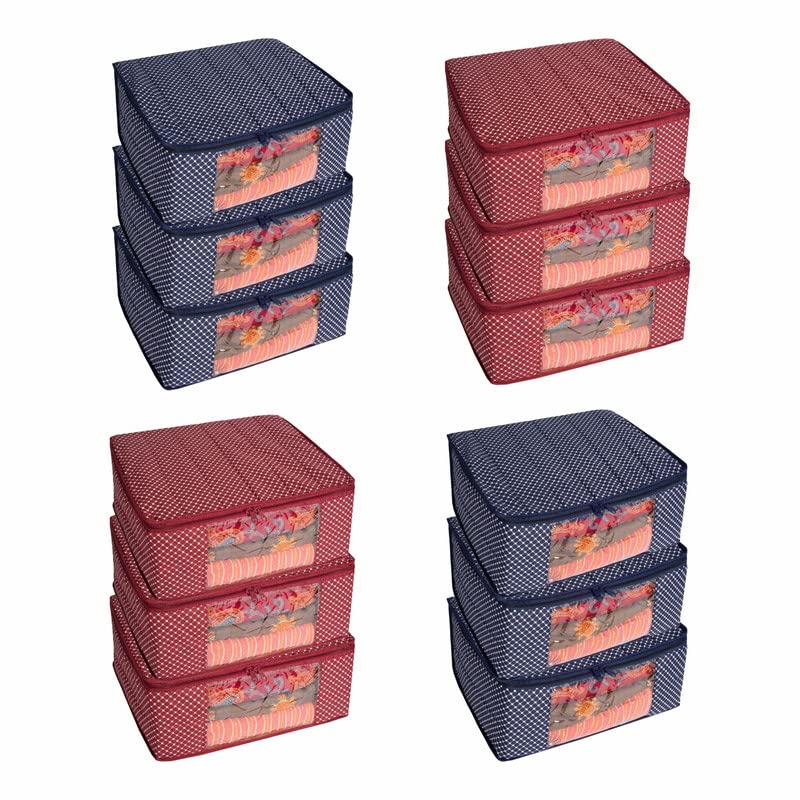
3. Homestrap Premium Cotton 6-Section Saree Organiser
Top pick for breathable silk storage. Thick cotton canvas with individual compartments. Zero moisture issues after three monsoon seasons. Each compartment holds one saree with room for silica gel sachets and neem pouches.

4. PrettyKrafts Individual Muslin Wrap Organiser
Museum-grade muslin wraps in a dedicated organiser. Each silk saree gets its own breathable muslin wrap. Ideal for heirloom pieces where fungus prevention is critical. Tested through three monsoons — zero issues.

5. Organic Dried Neem Leaves (500g Pack)
Natural antifungal protection for silk sarees. Fill small muslin pouches with dried neem leaves and place in each storage compartment. Safe for silk, zero chemicals, proven traditional remedy. Lasts 4-6 weeks per pouch.
For a comprehensive list of tested saree storage products, see our best saree storage boxes guide and our full articles collection for fabric-specific preservation advice.
Frequently Asked Questions About Fungus Prevention on Silk Sarees
Fungus on silk sarees is caused by a combination of humidity above 60%, poor ventilation, darkness, warmth (20-35°C), and organic matter on the fabric. Silk's protein fibres absorb up to 30% of their weight in moisture, creating ideal conditions for spore germination. Common triggers include storing in plastic covers, damp wardrobes, and infrequent refolding during monsoon.
Early signs include a musty or earthy smell when you open your wardrobe, discolouration (yellow or brown spots), white or grey powdery patches on the fabric surface, and sticky or tacky areas where the silk feels damp. At fold lines, check for faint discolouration — this is where moisture concentrates first. Inspect your silk sarees weekly during monsoon.
The best prevention combines five steps: 1) Keep humidity between 40-50% using silica gel or a dehumidifier. 2) Store in breathable muslin or cotton wraps — never plastic. 3) Ensure air circulation by spacing sarees and opening wardrobe doors weekly. 4) Use natural deterrents like neem leaves, camphor, or cedar balls. 5) Follow a weekly 5-minute inspection routine, especially during monsoon.
Neem leaves have natural antifungal properties that help prevent fungal growth on silk sarees. Place dried neem leaves in small muslin pouches and tuck them into your saree organiser compartments. They also repel silverfish and moths. Replace every 4-6 weeks when the scent fades. Neem is safe for silk — unlike naphthalene mothballs, which can damage silk fibres. Lavender and cedar are also effective, fabric-safe alternatives.
The safe humidity range for silk saree storage is 40-50% relative humidity. Fungal spores remain dormant below 60%. Above 60%, spore germination begins. Above 70%, visible mold can appear on silk within 72 hours. Use a digital hygrometer to monitor your wardrobe. If readings exceed 60%, use silica gel sachets (2-3 per compartment) or a dehumidifier in the room.
If you spot early signs of fungus: 1) Immediately isolate the affected saree to prevent spore spread. 2) Take it outdoors and gently brush off visible spores with a soft brush — wear a mask. 3) Sun the saree in indirect sunlight for 2-4 hours (UV kills spores). 4) For surface mold only, dry clean professionally. 5) For deep mold, consult a textile conservator. 6) Clean the storage area with white vinegar solution (1:3 with water) and dry in sunlight. 7) Check all neighbouring sarees for contamination.
Master Saree Storage Across Every Season
You now know how to prevent fungus on silk sarees. For the complete picture — including how to store sarees for long time, protect against monsoon moisture, and organize your wardrobe — explore our complete library of saree storage guides.
Expert-tested through 3 monsoon seasons in Mumbai • Real wardrobe tests • Practical advice for Indian homes