Banarasi Silk Saree Preservation: Protect Your Heirloom (2026)
From Katan to Brocade to Organza — learn the exact preservation techniques that keep Banarasi silk sarees safe from moths, moisture, and zari tarnishing for generations.
The Heritage of Banarasi Silk
Banarasi silk is not just fabric — it is a living tradition that has woven itself into the cultural fabric of India for over five centuries. The city of Varanasi (Banaras) has been the heart of silk weaving since the Mughal era, when master weavers from Persia, Central Asia, and Gujarat converged on the holy city and gave birth to what we now call the Banarasi brocade. Every Banarasi saree carries this history in its threads.
The Weaving Process
A single Banarasi saree can take anywhere from 15 days to 6 months to weave, depending on the complexity of the design. The process begins with the warp — longitudinal threads stretched across a traditional handloom. The weft threads are then interwoven by hand, with the weaver working from a pattern called a naksha that maps each thread placement. The most intricate brocade designs use supplementary weft threads that float across the reverse side of the fabric, creating the raised, richly textured patterns that Banarasi is famous for. This supplementary weft technique, called kadhua, is what makes Banarasi brocade so distinctive — and so demanding of careful preservation.
Types of Banarasi Silk
Not all Banarasi sarees are the same. Understanding the type you own is the first step in proper preservation — each variety has different care requirements.
Katan Silk
Made from pure mulberry silk threads twisted together. Lightweight, lustrous, and the most common Banarasi base fabric. Requires standard silk care — breathable storage, acid-free tissue, and regular refolding.
Organza (Kora)
A sheer, crisp silk variant with a distinctive transparency. Less forgiving of creases and snags than Katan. Needs the gentlest handling — roll instead of fold if possible, and never stack heavy items on top.
Brocade (Kimkhwab)
The heaviest and most ornate Banarasi type. Dense zari work, often metallic gold and silver threads woven into elaborate floral and geometric patterns. Requires the most care — extra padding between folds, moth prevention, and zari-specific protection.
The weight and density of your Banarasi directly dictate how you store it. A 250-gram organza and a 3-kilogram brocade cannot be treated the same way. Understanding these differences is critical to Banarasi silk saree preservation. For a broader overview of saree storage fundamentals, read our guide on how to store sarees for long time.
Why Banarasi Sarees Are Heirlooms
A Banarasi silk saree is one of the few possessions that genuinely appreciates in value over time — provided it is preserved correctly. This is not sentimentality; it is economics and craftsmanship combined.
Generational Value
A well-preserved Banarasi brocade can be passed from mother to daughter to granddaughter, each generation adding to its history. I own a Banarasi that belonged to my great-grandmother — woven in the 1950s, its zari still gleams because it was stored correctly for seven decades. The same saree, had it been stored in plastic or exposed to humidity, would be an unrecognisable ruin by now. This is what makes Banarasi silk saree preservation a skill worth learning: you are not just storing fabric, you are protecting a legacy.
Investment Value
Antique Banarasi sarees from the early 20th century regularly sell for Rs. 50,000 to Rs. 5,00,000 at auction, depending on condition and design complexity. The sarees that command the highest prices are those that were stored properly — with intact zari, unfaded colours, and no moth damage. A Banarasi bought today for Rs. 15,000 could be worth ten times that in 30 years if preserved. Poor storage can destroy that value in a single monsoon season.
Sentimental Significance
Beyond monetary value, Banarasi sarees mark life's milestones — weddings, festivals, births, ceremonies. The saree you wore at your sister's wedding carries memories that no insurance policy can replace. Learning proper Banarasi silk saree preservation means those memories remain physically intact, ready for the next generation to create their own.
For more on the broader principles of textile care, also see our guide on how to store silk sarees properly, which covers silk preservation fundamentals applicable to all varieties.
Step 1: Cleaning Before Storage
The single most critical rule of Banarasi silk saree preservation: never store a Banarasi that has been worn without cleaning it. Even a single wear deposits invisible residues that become permanent stains over months in storage.
Gentle Dry Cleaning Only
Banarasi silk, especially brocade with heavy zari, must be dry cleaned. Hand washing, even with gentle detergent, risks damaging the metallic threads and the structural integrity of the weave. Find a dry cleaner experienced with silk sarees — not all dry cleaners know how to handle Banarasi brocade. Specify that the saree has zari work and should not be subjected to harsh mechanical agitation. The extra Rs. 200-500 for a quality dry clean is nothing compared to the value of your saree.
Avoid Harsh Chemicals
Some dry cleaners use perchloroethylene (perc) or other harsh solvents that can strip the natural lustre of silk and dull the shine of zari. Ask your cleaner if they offer hydrocarbon or wet-cleaning alternatives for delicate silks. If you are cleaning at home, use a silk-specific detergent like Ecover Delicates or a mild baby shampoo. Never use bleach, stain removers, or enzyme-based cleaners on Banarasi silk. These chemicals attack the protein structure of silk and cause irreversible weakening.
Pro tip: After cleaning, let the saree air dry in complete shade for at least 48 hours before storing. Test for remaining moisture by holding the fabric against your cheek — if it feels cool, it is still damp. Any residual moisture during storage is an open invitation for mildew and zari tarnishing.
Step 2: The Right Wrapping Materials
What you wrap your Banarasi in is the difference between preservation and degradation. The material directly touches the fabric for months or years — getting this wrong is the most expensive mistake you can make.
Acid-Free Tissue Paper ONLY
Acid-free tissue paper is non-negotiable for Banarasi silk saree preservation. It is pH-neutral, which means it will not transfer acids onto the silk that cause yellowing over time. It is soft enough to not abrade delicate threads. It is breathable — allowing trapped moisture to escape. And it absorbs any excess humidity before it reaches your saree. Use white, unbleached, acid-free tissue between every 2-3 folds. One pack of 50 sheets costs under Rs. 200 and is the cheapest insurance your Banarasi will ever have.
Never Use Newspaper
Newspaper is the most common well-intentioned mistake in Banarasi silk saree preservation. The ink is not fixed — it transfers to your silk over time, creating grey smudges that are nearly impossible to remove. The paper itself contains lignin and acids that yellow and embrittle silk fibres. I have seen multiple Banarasi sarees ruined by well-meaning grandmothers wrapping them in old newspapers. Do not do it. Acid-free tissue is not expensive. Use it.
What About Butter Paper?
Butter paper (baking parchment) is an excellent alternative for zari-heavy areas. It is slightly stiffer than tissue paper, providing better protection against pressure marks on thick brocade patterns. For Banarasi brocade with raised zari motifs, use a layer of butter paper directly over the zari, then a layer of acid-free tissue for the rest of the fold. This combination gives the best protection for heavily embellished pieces.
Banarasi silk saree preservation depends heavily on the wrapping material. For more on this topic, visit our guide on how to store sarees for long time which covers wrapping materials for all fabric types.
Step 3: Folding with Care
Banarasi sarees, especially brocade, are heavy and prone to deep creases. Folding technique directly affects the longevity of both the silk and the zari.
Avoiding Crease Damage on Brocade
Heavy brocade Banarasi sarees can weigh 2-3 kg. The weight of the fabric itself creates pressure at fold points that can cause permanent crease lines within weeks. To mitigate this: fold the saree lengthwise first with zari facing inward, then fold crosswise in loose thirds or quarters depending on your storage compartment. The folds should be relaxed — not tight and compressed. If you feel resistance when closing the compartment, the folds are too tight and you need to adjust your technique or find a larger container.
Padding Folds for Zari
The raised zari motifs on Banarasi brocade are the most vulnerable part of the saree during folding. Each fold presses the zari of one section against the fabric of another. Over time, this creates permanent impressions of the zari pattern on the silk — a phenomenon called zari marking. To prevent this, place a full sheet of acid-free tissue or butter paper between every fold, ensuring the zari areas are completely covered. For exceptionally thick zari, roll a small muslin cloth into a tube and place it inside the fold to create a cushion that keeps the zari from pressing into the silk.
Pro tip: For Katan and Organza Banarasi sarees, you can fold slightly more compactly than for brocade. For Organza, consider rolling the saree around an acid-free cardboard tube — this eliminates crease pressure entirely and is the museum-standard method for sheer silks.
Step 4: Choosing Storage Containers
The container that houses your folded Banarasi determines the microclimate around the saree. The right choice creates a stable, breathable environment. The wrong choice creates a trap for moisture and pests.
Moth-Proof Boxes
Purpose-made saree storage boxes with moth-repellent properties are available from Indian brands like ATORAKUSHON and Homestrap. These boxes are made from thick cotton or muslin over a rigid frame — they provide structural protection while allowing airflow. Look for boxes with cedar wood inserts or compartments designed for neem pouches. The ATORAKUSHON Heritage Muslin Box Organiser is our top pick for Banarasi brocade — its rigid sides prevent stacking pressure and the muslin lining is gentle on zari.
Cedar Wood
Cedar wood is naturally moth-repellent and has been used for textile storage for centuries. A cedar-lined box or drawer is ideal for Banarasi sarees. The aromatic oils in cedar are safe for silk and effective against the larvae of clothes moths that specifically target protein fibres like silk. You can buy cedar blocks to place inside your existing organisers, or invest in a cedar chest for your most valuable pieces. Cedar needs to be sanded lightly once a year to refresh the aromatic oils — otherwise it loses its effectiveness.
Breathable Fabric Bags
For daily rotation and wardrobe storage, cotton or muslin compartment organisers are the best choice. Each Banarasi gets its own breathable pocket, preventing fabric-to-fabric contact with other sarees. The Homestrap Premium Cotton 6-Section Saree Organiser has six individual compartments from thick cotton canvas — ideal for organising Banarasi sarees by type or frequency of use.
Avoid plastic storage bins and vacuum bags. Plastic creates a sealed environment that traps moisture against your Banarasi. Vacuum bags compress the fabric with extreme force, crushing zari and creating permanent crease damage. Neither has any place in Banarasi silk saree preservation.
Step 5: Moth and Insect Prevention
Silk is a protein fibre — moths and insects find it as irresistible as we do. A Banarasi saree hanging in a wardrobe is a target. A folded Banarasi in storage is still vulnerable. Moth prevention is a year-round requirement for Banarasi silk saree preservation.
Neem Leaves
Dried neem leaves are the most traditional and effective natural repellent for Indian wardrobes. They contain azadirachtin, a compound that disrupts the life cycle of moths and silverfish without harming fabrics. Place dried neem leaves in small muslin pouches and tuck one into each compartment of your saree organiser. Replace every 4-6 weeks or when the characteristic neem scent fades. Neem leaves are available at any Indian grocery store or online for under Rs. 100 for a large pack.
Camphor (Kapur)
Synthetic camphor is a powerful moth repellent that has been used in Indian homes for generations. It sublimes (evaporates directly from solid to gas), creating a vapour barrier that insects avoid. Place a small camphor tablet in a muslin pouch inside your Banarasi storage container — not directly on the fabric. Replace every 2-3 months. Safety note: Use only synthetic camphor (not natural camphor, which can be toxic in enclosed spaces). Keep camphor away from children and pets. Ensure your storage area is ventilated. If you smell camphor strongly, the concentration is too high — reduce the amount.
Lavender and Cedar
Dried lavender sachets add a pleasant fragrance while deterring moths. Cedar balls or blocks provide continuous repellent action without any odour that might transfer to the fabric. Both are safe for silk and can be used together with neem for maximum protection. The key is freshness — replace or refresh your repellents on a regular schedule.
Never use naphthalene mothballs (naphthalene balls) near Banarasi silk. The chemical fumes damage silk fibres, cause yellowing, and are classified as potentially carcinogenic by the WHO. Naphthalene also leaves a strong, unpleasant odour that is extremely difficult to remove from silk. There is no place for mothballs in Banarasi silk saree preservation.
Step 6: Climate Control for Banarasi
Banarasi silk is more sensitive to climate than any other Indian saree fabric. The density of the weave and the presence of metallic threads make it particularly vulnerable to both humidity and temperature extremes.
Temperature and Humidity
The ideal storage environment for Banarasi silk is 18-24°C with relative humidity between 40-55%. In most Indian homes, this is achievable for part of the year but challenging during monsoon. The key is stability — rapid swings in temperature and humidity are worse than consistently moderate conditions. Store your Banarasi sarees in the coolest, driest room of the house — typically an interior room away from the kitchen and bathroom. Avoid attics, rooms with external walls that absorb monsoon moisture, and wardrobes near bathrooms.
Silica Gel for Monsoon
Silica gel is the single most effective tool for localised moisture control during the rainy season. Place 2-3 food-grade silica gel sachets in each compartment of your Banarasi saree organiser. These absorb excess moisture from the surrounding air, keeping the microclimate inside your storage container within safe limits. Replace the sachets every 4-6 weeks during monsoon, or whenever the indicator crystals change colour. A bulk pack of 100 sachets costs under Rs. 500 and will protect your entire collection through multiple seasons. This is arguably the most cost-effective investment in Banarasi silk saree preservation for anyone living in a humid climate.
Pro tip: Open your wardrobe doors for 2-3 hours once a week during monsoon to circulate air. A small room dehumidifier or even a ceiling fan running on low makes a measurable difference in ambient humidity. If your Banarasi collection is valuable, a dehumidifier pays for itself in prevented damage within a single season.
Step 7: Rotation and Airing Schedule
Banarasi sarees cannot be stored and forgotten. Regular rotation and airing are essential maintenance tasks that separate casual storage from proper preservation.
Every 2-3 Months During Monsoon
During the monsoon months (typically June to September across India), increase your refolding frequency to every 2-3 weeks. The high humidity means moisture can accumulate inside folds rapidly. Each refold is an inspection opportunity — check for dampness, discolouration, musty smells, or signs of pest activity. Shift every fold line by 2-3 inches to prevent permanent crease damage. Write the date of your last refold on a small tag pinned inside your organiser.
Every 4-6 Months in Normal Weather
In dry months, refold every 4-6 months. The same rules apply: shift fold lines, inspect the fabric, check your pest repellents, and replace silica gel if needed. The lighter schedule works because the lower ambient humidity means less moisture trapped in the folds. But do not skip it — 6 months is the maximum safe interval between refolds for any silk saree.
Full Airing Twice a Year
Every 6 months, take each Banarasi saree completely out of storage. Unfold it fully and hang it in a shaded, well-ventilated area for 24 hours. This "breathing period" allows any accumulated moisture to evaporate, lets the fabric relax from its folded state, and gives you a full 360-degree inspection opportunity. After airing, clean if needed, then refold with fresh acid-free tissue paper and fresh repellent pouches before returning to storage. This twice-yearly deep maintenance is the hallmark of serious Banarasi silk saree preservation.
Banarasi vs Other Silk Storage Differences
While the fundamentals of silk storage apply to all varieties, Banarasi sarees have unique characteristics that demand specialised care. Here is how Banarasi silk saree preservation differs from storing Kanjivaram or other silk types.
Heavier Brocade
A Banarasi brocade is significantly heavier than a Kanjivaram of comparable dimensions. The dense supplementary weft and extensive zari work can bring a single saree to 2-3 kg. This weight creates two preservation challenges: the fabric is more prone to deep creases from its own weight, and the pressure at fold points is greater. Solution: use thicker padding (butter paper or muslin rolls) between folds, and never stack more than 3-4 Banarasi brocade sarees on top of each other. For Kanjivaram or lighter silks, 5-6 per stack is acceptable.
Delicate Zari
Banarasi zari, especially on antique and traditional pieces, often uses real silver wire coated with gold. This is chemically different from the synthetic or copper-based zari used in many modern Kanjivaram sarees. Real silver zari tarnishes more aggressively and is more sensitive to humidity. The preservation protocol for Banarasi zari requires stricter humidity control (silica gel in every compartment) and more frequent inspection for tarnishing. If you see darkening of the zari, address it immediately — it will not reverse on its own.
Resham Work
Many Banarasi sarees incorporate resham — fine twisted silk threads used for intricate embroidery and pattern work. Resham is even more delicate than the base silk fabric. It can snag, fray, and fade with careless handling. When wrapping a Banarasi with resham work, use extra layers of acid-free tissue over the embroidered areas. Never brush or rub resham areas during cleaning. Store resham-heavy Banarasi sarees in individual compartments to prevent other fabrics from catching on the delicate threads.
For a full comparison across all silk types, read our guide on how to store silk sarees properly which covers Kanjivaram, Banarasi, Patola, and other varieties. And for related advice on hanging versus folding (especially relevant for lighter silks), see our article on is it better to hang or fold sarees.
Top 5 Banarasi Saree Care Products
These products have been tested specifically with Banarasi silk sarees through two monsoon seasons. Each earned its place for material quality, zari protection, and durability in Indian humidity.
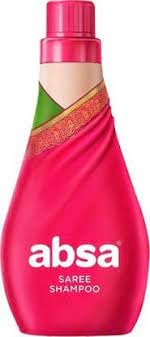
1. Absa Saree Shampoo — Sparkling Falls Scent (500 ML)
Ultimate protection for sarees and silk clothing with a refreshing Sparkling Falls scent. Gentle formula designed specifically for delicate saree fabrics. Keeps colours vibrant and fibres soft without harsh chemicals.

2. ASTRO PLUS Dry Clean Liquid Detergent (250 ML) + Color Protector
Ultimate protection for silk sarees, chiffon, cotton, georgette, linen, and woolen fabrics. Gentle wash formula for delicate fabrics with included color protector to prevent dye bleeding between washes.

3. Dr. Beckmann Starch & Easy Iron Spray (500ml)
Iron spray for a smooth, crisp finish on sarees. Removes creases easily and speeds up ironing. Starch spray for cloths that gives wrinkle-free clothes instantly — ideal for cotton and Banarasi sarees before storing.

4. 7 in 1 Set Travel Organizer Pouch — Packing Cubes (Sky Blue)
Multi-purpose packing cubes with makeup pouch, wardrobe organizer for storage, cloth organizer with shoe bag. Perfect for organizing sarees during travel — each pouch keeps a saree separate and wrinkle-free.

5. SOLSTICE Cotton Canvas Clothes Storage Bags — Saree Covers with Zip (6-Pack, Beige)
Specially designed for women's dresses, sarees, and lehengas. 17 x 14 x 7 inch cotton canvas bags with zip closure for wardrobe organizer. Breathable fabric protects Banarasi sarees from dust while allowing airflow.
These products form the foundation of a proper Banarasi silk saree preservation system. Pair them with acid-free tissue paper, silica gel sachets, and neem or lavender pouches for complete protection.
Frequently Asked Questions About Banarasi Silk Preservation
Clean and dry the saree first, wrap in acid-free tissue paper, fold with the zari facing inward, store in a breathable cotton or muslin organiser, add neem leaves or lavender for pest prevention, place silica gel sachets during monsoon, and refold every 3-4 months shifting crease lines. Never use plastic or newspaper. This complete protocol ensures your Banarasi stays pristine for decades.
No. Banarasi sarees are heavy — a brocade piece can weigh 2-3 kg. Hanging causes gravity to strain the zari threads and stretch the silk fabric over time. We tested a 2.5 kg Banarasi brocade on a hanger for 6 weeks — the zari along the shoulders began loosening visibly. Always fold Banarasi sarees flat for storage. If you must hang temporarily for an event season, use a wide padded hanger and limit to 1-2 weeks at most.
Fold zari borders inward so metallic threads face the fabric. Place acid-free tissue or butter paper between every fold at zari contact points. Store in a breathable cotton organiser — never plastic which traps moisture that accelerates tarnishing. Add 2-3 silica gel sachets per compartment during monsoon. Keep away from direct sunlight. For antique Banarasi sarees with real silver zari, check every 2-3 months and address any darkening immediately.
Dried neem leaves in muslin pouches, dried lavender sachets, cedar blocks or balls, and synthetic camphor are all safe for Banarasi silk. Neem leaves are the traditional Indian choice and highly effective against moths and silverfish. Replace all repellents every 4-6 weeks or when the scent fades. Never use naphthalene mothballs — the chemical fumes damage silk fibres and are harmful to inhale in enclosed wardrobes.
In normal weather (humidity below 60%), refold every 3-4 months shifting crease lines by 2-3 inches to prevent permanent fold marks. During monsoon, refold every 2-3 weeks and inspect for moisture or pest activity. Heavier brocade Banarasi sarees benefit from more frequent rotation — the weight of the fabric makes creases set faster than with lighter silks. Set a recurring calendar reminder to stay on schedule.
No. Plastic traps moisture and blocks airflow, creating a microclimate that promotes mildew, yellowing, and zari tarnishing. Banarasi silk needs to breathe — moisture must be able to escape. Use breathable cotton or muslin organisers instead. If you must use a plastic container temporarily, drill ventilation holes in the sides and lid, and wrap each saree in muslin cloth first before placing it inside.
Banarasi brocade is heavier with denser zari work, so it needs extra padding between folds to prevent pressure marks on the metallic threads. Kanjivaram sarees are typically lighter and have different zari composition — usually synthetic or copper-based. Banarasi zari, especially on antique pieces, uses real silver or gold wire that is more sensitive to humidity. Both need acid-free tissue, breathable storage, and pest prevention, but Banarasi brocade demands stricter moisture control and more frequent inspection for zari tarnishing.
For more questions about silk saree care, visit our complete FAQ page or read our in-depth article on Kanjivaram saree storage for comparison.
Master the Art of Saree Storage
You now understand proper Banarasi silk saree preservation. For the complete picture including all fabric types, folding techniques, and product reviews, read our main guide on how to store sarees for long time with 10 proven methods tested through monsoon.
Expert-tested through 2 monsoon seasons • Real wardrobe tests • No sponsored rankings