How to Remove Fungus from Silk Sarees: Rescue Your Heirloom (2026)
Step-by-step rescue methods for fungus-damaged silk sarees. From gentle sunning and brushing to professional textile conservation — know exactly what to do at every severity level.
Assessing the Damage
Before you touch a single thread, you need to know what you are dealing with. Fungus on silk is not a single problem — it is three different problems depending on how deep the spores have penetrated. Using the wrong method at the wrong stage can turn a salvageable saree into a lost cause. Understanding how to remove fungus from silk sarees begins with an honest assessment of the damage level.
Surface Fungus
White or grey powdery patches on the fabric surface. No discolouration of the silk itself. No smell or faint musty odour. Fungus has not penetrated the fibre. Success rate: 90%+ with sunning and gentle brushing. Catch it within 7 days and your saree will be as good as new.
Surface with Staining
Yellow or brown spots on the silk. Mild musty smell. Fungus has begun digesting the silk protein and left pigment stains. The fabric structure is still intact. Success rate: 60-70% with professional dry cleaning or vinegar solution. Some faint staining may remain permanently.
Deep Fungus Damage
Black or dark green patches. Strong earthy smell. Fabric feels brittle, sticky, or disintegrating when touched. Fungus has broken down the silk fibroin protein. Success rate: 20-40% with professional textile conservation. Structural damage may be irreversible.
To assess your saree, take it to a well-lit area — preferably near a window in daylight. Spread it on a clean white bedsheet. Run your hand slowly over every section, checking both the front and reverse sides. Pay special attention to fold lines, the pallu edges, and any areas that were in contact with plastic storage. These are where moisture concentrates and fungus establishes first. If the fabric feels intact and the discolouration is only surface-level, you have a good chance of full recovery. If the silk feels weak or the stains have penetrated to the back, your goal shifts from full restoration to halting further damage.
For a broader understanding of why fungus attacks silk in the first place, read our companion guide on how to prevent fungus on silk sarees.
Safety First: What NOT to Do
Desperation makes us do foolish things with precious fabrics. I have seen people pour bleach on heirloom Kanjivarams, scrub silk with toothbrushes, and throw sarees in washing machines. These actions do not remove fungus — they destroy silk. Before we discuss how to remove fungus from silk sarees, here is what you must never do.
Never use bleach or chlorine-based cleaners. Bleach dissolves silk protein fibres on contact. Even diluted bleach will cause irreversible damage. The silk will yellow, weaken, and eventually disintegrate along treated areas. There is no recovery from bleach damage.
Never scrub or rub vigorously. Wet silk is extremely fragile — its tensile strength drops by 30-40% when wet. Scrubbing breaks the fibre structure, creating permanent thin spots or holes. Always dab, blot, or gently brush. Never apply mechanical force to damp silk.
Never dry silk in direct sunlight. Direct UV exposure fades colours and weakens the protein structure. Always use dappled or indirect sunlight for no more than 2-4 hours. Morning sunlight (before 10 AM) is safest. Afternoon sun is destructive.
Never use heat (hair dryer, iron directly on mold). Heat sets fungal stains permanently into the silk fibre. It also damages the protein structure. Air drying only, in shade, with good ventilation. If you must iron, use the lowest setting with a cloth barrier and iron only after the fungus has been treated and removed.
Never use fabric softener or enzyme-based stain removers. Fabric softeners coat silk fibres with waxy residue that traps future moisture. Enzyme cleaners that work on cotton or synthetic stains can digest silk protein itself. Stick to the methods described below — they are tested, safe, and effective.
Golden rule: If you would not use it on your own skin, do not use it on silk. Silk is protein fibre, chemically similar to human hair. Treat it with the gentleness you would use on a delicate weave of hair.
Method 1: Sunning and Brushing (For Mild Surface Fungus)
This is the first and safest method to try when you discover surface fungus. It requires no chemicals, no special equipment, and carries zero risk of fabric damage when done correctly. For mild cases, this is often all you need to know about how to remove fungus from silk sarees.
When to Use This Method
Use sunning and brushing when you see white or grey powdery patches on the fabric surface with no yellow or brown staining underneath. The silk should still feel soft and pliable — not brittle or sticky. If the fabric structure feels compromised, skip straight to Method 4 (professional restoration).
Step-by-Step
Choose a dry, sunny day. Take the saree outdoors between 8-10 AM when UV levels are effective but not intense enough to fade colours. Drape the saree over a clean plastic-free clothesline in a spot that receives dappled sunlight — under a tree or a light curtain. Leave it for 2 hours, then turn it over and leave it for another 2 hours. The UV light kills fungal spores on contact.
After sunning, bring the saree indoors. Lay it flat on a clean white surface. Using a soft, clean brush — a wide makeup brush, a soft paintbrush, or a dedicated garment brush — gently brush the affected areas. Work from the outside of each patch inward to avoid spreading spores. Wear a dust mask and work in a well-ventilated area. Brush in the direction of the silk weave, not against it. Collect the brushed-off powder on a damp cloth and dispose of it in a sealed bag.
After brushing, leave the saree in a shaded, ventilated area for 24 hours. Check for any remaining powdery residue. If the surface is clean and no staining remains, your saree has recovered. If faint yellow spots remain, move to Method 3 (vinegar solution).
Important: Sunning alone kills spores but does not remove the dead fungal matter from the fabric. Always brush after sunning. If you skip the brushing step, the dead spores can reactivate when conditions become humid again. Complete the full process.
For a soft brush suitable for silk, see the Products That Help in Fungus Removal section below.
Method 2: Gentle Dry Cleaning (For Moderate Fungus)
When surface brushing is not enough and yellow or brown staining has appeared, professional dry cleaning is the most effective next step. Dry cleaning solvents dissolve the oils and proteins that bind fungal spores to the fabric, and they do so without the mechanical agitation that damages wet silk. This is the most reliable method for how to remove fungus from silk sarees at the moderate damage level.
Choosing a Silk-Safe Dry Cleaner
Not all dry cleaners handle silk properly. Look for a cleaner that advertises "silk specialist" or "delicate fabric handling." Before handing over your saree, ask these three questions: What solvent do you use for silk? (The answer should be a hydrocarbon or silicone-based solvent, not perchloroethylene which can strip silk of its natural oils.) Do you test for colourfastness before cleaning? Do you press silk at low temperature with a cloth barrier? If they hesitate on any of these, find another cleaner. In major Indian cities, specialised silk dry cleaners exist in Bangalore, Delhi, Mumbai, Chennai, and Hyderabad.
Preparing Your Saree
Before sending the saree for dry cleaning, photograph the affected areas clearly. This documents the state before treatment and helps if any issues arise. Tell the cleaner explicitly: "This saree has fungal growth. Please isolate it from other garments during cleaning." Responsible cleaners will take extra precautions to prevent spore transfer. Do not fold the affected area tightly — roll the saree loosely for transport to prevent spores from being pressed deeper into the fabric.
Post-Cleaning Inspection
When you receive the saree back, inspect it in good light immediately. Check that the stain has been removed or lightened. Smell the fabric — any remaining musty odour means spores are still active. If stains remain but have lightened, the cleaner has successfully removed the spores but the pigment damage from the fungus remains in the silk. This staining is usually permanent but the saree is now safe to wear and store with other sarees after a 4-week isolation period.
Pro tip: Request that your dry cleaner uses no starch on the silk. Starch is carbohydrate-based food for fungus. A starch-free finish will significantly reduce the risk of recurrence. Also request a lower-temperature press cycle to avoid heat-setting any residual staining.
Method 3: Mild Vinegar Solution (For Stubborn Surface Stains)
White vinegar is a mild acid with proven antifungal properties. For persistent surface stains that did not respond to sunning and brushing, a carefully diluted vinegar solution can be effective. This method requires caution — vinegar is safe for silk at the right concentration, but can damage it if used incorrectly. Here is the precise protocol for how to remove fungus from silk sarees using vinegar.
The Solution
Mix one part distilled white vinegar (5% acidity) with three parts distilled water. Do not use tap water — the minerals in tap water can react with vinegar and leave residue on silk. Do not increase the vinegar concentration. One-to-three is the maximum safe ratio for silk. Stir gently to combine. Pour the solution into a clean spray bottle or a shallow bowl.
Spot Test First
Before applying the solution to the affected area, test it on an inconspicuous section of the saree — the inner hem, a corner of the pallu that will be hidden when draped, or the area near the blouse attachment. Apply a drop of the solution with a clean cotton ball, let it sit for 10 minutes, then blot dry with a clean cloth. Check for any colour bleeding, lightening, or texture change. If the test area looks unchanged after 24 hours, proceed with treatment.
Application
Dip a clean white cotton cloth or cotton ball into the vinegar solution. Wring it out until it is barely damp — it should not drip water when pressed. Dab the affected areas gently. Do not rub or scrub. The goal is to transfer the solution to the fungus, not to mechanically abrade the silk. Let the solution sit on the fabric for 5-10 minutes. Then, using a clean damp cloth (distilled water only, no vinegar), blot the area to remove the vinegar solution. Do not soak the fabric.
Hang the saree in a shaded, well-ventilated area for 24-48 hours to dry completely. Do not use a hair dryer or fan directly on the damp area — gentle air circulation only. After drying, inspect the stain. It should be lighter or gone. If it persists, you can repeat the process once more after 48 hours. If there is no improvement after two treatments, the staining is likely permanent pigment damage from the fungus rather than active fungus — proceed to Method 4 if the stain is unacceptable.
Critical: Never use apple cider vinegar, balsamic vinegar, or any coloured vinegar on silk. Only distilled white vinegar (clear) is safe. Coloured vinegars contain dyes and tannins that will permanently stain silk. Also never use lemon juice — citric acid is stronger than acetic acid and can damage silk fibres.
Method 4: Professional Restoration (For Severe or Heirloom Pieces)
When fungus has penetrated deep into the silk fibres, or when the affected saree is a precious heirloom that you cannot afford to lose, professional textile conservation is the only answer. Textile conservators have access to tools and techniques that no home method can match. Understanding when to call a professional is a crucial part of how to remove fungus from silk sarees responsibly.
When to Call a Conservator
Contact a textile conservator if any of these apply: the fungus has caused visible structural change (brittleness, stickiness, or disintegration), the discolouration is black or dark green (indicating deep penetration), the affected area exceeds 20% of the saree surface, the saree has gold or silver zari work that is also affected, or the saree is a family heirloom older than 50 years where any damage is unacceptable. Conservators also handle mixed-fibre sarees where silk is combined with cotton or synthetic blends, which require different treatment protocols.
What a Conservator Does
A textile conservator will first examine the saree under magnification to determine the extent of fungal penetration and the condition of the silk fibres. They use a vacuum suction table to gently pull spores out of the fabric without mechanical agitation. For deep fungal growth, they may apply enzyme-based treatments that digest fungal matter without harming silk, followed by controlled rinsing on a suction table. In severe cases, they can consolidate fragile areas using conservation-grade adhesives that stabilize the silk structure. They document every step with photographs for your records.
Cost Considerations
Professional textile conservation for a silk saree costs between Rs. 2,000-8,000 depending on the saree size, damage extent, and conservator rates. In major cities, the CSMVS Museum in Mumbai, the National Museum in Delhi, and INTACH (Indian National Trust for Art and Cultural Heritage) chapters in various cities can recommend qualified textile conservators. The cost is significant, but for a grandmother's wedding Kanjivaram or a rare Paithani, it is a fraction of the replacement value.
Pro tip: If you are considering professional restoration, seal the affected saree in a clean cotton bag (not plastic) immediately and store it in a cool, dry place until you can reach the conservator. Do not attempt any home treatment — especially not with water or vinegar — before professional assessment. The conservator needs to see the fungus in its original state to choose the right treatment.
Step-by-Step Rescue Process
Here is the complete protocol from the moment you discover fungus to full recovery. Follow these steps in order. Do not skip ahead — each step builds on the previous one and skipping can cause permanent damage. This is the definitive sequence for how to remove fungus from silk sarees.
Isolate immediately. Remove the affected saree from storage and place it alone in a clean cotton bag or on a clean surface in a separate room. Do not shake the saree — this releases spores into the air. Wash your hands after handling.
Assess the damage level. Lay the saree flat in good daylight. Check both sides. Determine if it is mild (surface powder only), moderate (yellow/brown staining), or severe (black patches, brittle fabric). This decides which method to use.
Sun in indirect light. Take the saree outdoors in morning sunlight (8-10 AM) for 2-4 hours, turning once. This kills active spores with UV light. Do not use direct afternoon sun — it will fade the colours.
Dry brush gently. After sunning, brush off dead spores with a soft brush. Work from the outside of each patch inward. Wear a mask. Dispose of brushed-off powder in a sealed bag. Use a gentle touch — do not abrade the silk.
Choose your treatment. If stains remain after brushing, apply Method 2 (dry cleaning) for moderate cases or Method 3 (vinegar solution) for stubborn surface spots. For severe cases, skip to Method 4 (professional restoration).
Air dry completely. After any wet treatment, dry the saree in a shaded, ventilated area for 24-48 hours. Confirm it is bone-dry by holding it against your cheek — if it feels cool, it is still damp. Residual moisture will restart the fungal cycle.
Isolate for 4 weeks. Store the treated saree separately in a clean muslin or cotton bag for one month. Check every 3-4 days for any sign of recurrence. If no new fungus appears after 4 weeks, it is safe to return to regular storage.
Treat your storage area. Clean the affected compartment with a 1:3 white vinegar-water solution. Dry in sunlight for 6+ hours. Discard old silica gel and deterrents. Replace with fresh ones before returning the saree to storage.
Key insight: The isolation period (Step 7) is the most commonly skipped step — and skipping it is why fungus returns. Even dead spores that remain in the fabric can reactivate in humid conditions. Four weeks of isolation with regular checking gives you confidence that the treatment was completely successful.
Aftercare: Preventing Recurrence
Removing fungus is only half the battle. If you return the treated saree to the same conditions that caused the growth, the fungus will return — often within weeks. Proper aftercare is essential to making your how to remove fungus from silk sarees efforts last.
Change Storage Immediately
If the saree was stored in a plastic cover or polybag, discard it permanently. Switch to breathable storage: a clean cotton muslin wrap or a cotton saree organiser with individual compartments. Plastic traps moisture against silk. Even if the plastic cover looks clean and dry, micro-condensation forms on the inner surface during temperature fluctuations. This invisible moisture is what causes fungus to recur. For every silk saree you own, the storage material matters as much as the treatment method.
Reduce Humidity in Your Wardrobe
Place 2-3 silica gel sachets in the compartment where the treated saree will be stored. Position a digital hygrometer nearby and keep the reading below 50% relative humidity. If your local climate is consistently above 60% humidity (as in most Indian cities during monsoon), consider a dehumidifier for the room. We recommend the ThermoPro TP49 Digital Hygrometer for accurate monitoring — it is small enough to fit inside any organiser compartment and runs for 18+ months on one battery.
Increase Airing Frequency
Sarees that have had fungus need more frequent airing than unaffected ones. Open your wardrobe doors for 2-3 hours every week. Take the treated saree out and let it breathe in a shaded, ventilated room for an hour. This prevents the still, dark conditions that spores need to re-establish. During monsoon, increase this to twice weekly. Air circulation is free, effortless, and one of the most effective preventive measures.
Use Natural Deterrents
Place dried neem leaves in a small muslin pouch in the treated saree's compartment. Neem's natural antifungal compounds create an environment that fungal spores avoid. Add a small block of pure camphor or a few cedar balls for additional protection. Replace the neem pouches every 4-6 weeks when the scent fades. These natural deterrents are safe for silk and cost very little compared to the value of your saree.
For a complete prevention system, see our dedicated guide on how to prevent fungus on silk sarees and our moisture control for wardrobes guide.
When to Accept the Loss vs When to Keep Trying
This is the hardest part of learning how to remove fungus from silk sarees — knowing when to stop. Not every saree can be saved, and persisting with aggressive treatments on a lost cause can waste time, money, and emotional energy that could be spent on preserving the rest of your collection.
Keep Trying If…
The silk still feels soft and pliable. The staining is yellow or brown (not black or green). The affected area is less than 20% of the saree surface. The reverse side of the fabric shows no discolouration. The saree has no musty smell after sunning. These signs mean the fungus has not yet permanently damaged the fibre structure, and continued treatment is worthwhile.
Accept the Loss If…
The silk feels brittle, sticky, or is beginning to disintegrate. Large black or green patches are present. The fabric has holes or thin spots in the affected areas. The saree has an earthy, musty smell that does not fade after sunning. The zari or embellishment work is also affected with fungal growth. In these cases, the structural integrity of the silk is compromised. No amount of cleaning can repair broken fibres. Continuing treatment efforts at this stage is like trying to wash a piece of paper back to its original form.
What to Do with a Lost Saree
If you decide the damage is irreversible, do not throw the saree in the trash where spores can spread. Seal it in a plastic bag and dispose of it with municipal waste. Clean the area where it was stored thoroughly. Check every other saree that was stored nearby. If any show even faint signs of contamination, treat them immediately using the methods above. One lost saree is a tragedy. A contaminated wardrobe that spreads to twenty is a catastrophe.
Realistic expectation: Even with successful treatment, a fungus-damaged silk saree may never look exactly as it did before. Faint staining at fold lines, slight loss of lustre in affected areas, and a subtle texture change are common even after professional cleaning. This is not failure — it is the natural consequence of fungal damage. The goal is to save the saree as a wearable, meaningful piece, not to return it to pristine, never-worn condition.
Products That Help in Fungus Removal
These are the tools and products we have tested and verified for safe silk fungus removal. Each has earned its place in our rescue kit. All links use our affiliate tag (koirevicky-21) at no extra cost to you.

1. Ultra-Fresh Premium Silica Gel Sachets (100-Pack)
Essential for creating a low-humidity environment that prevents fungal recurrence after treatment. Colour-indicating silica gel changes from orange to green when saturated. Place 2-3 in each storage compartment. Reactivate in sunlight.

2. ThermoPro TP49 Digital Hygrometer
Know your humidity numbers to prevent recurrence. Compact, accurate, and fits inside any saree organiser. Runs 18+ months on a single AAA battery. Place one in your wardrobe and one in the room for complete humidity monitoring.
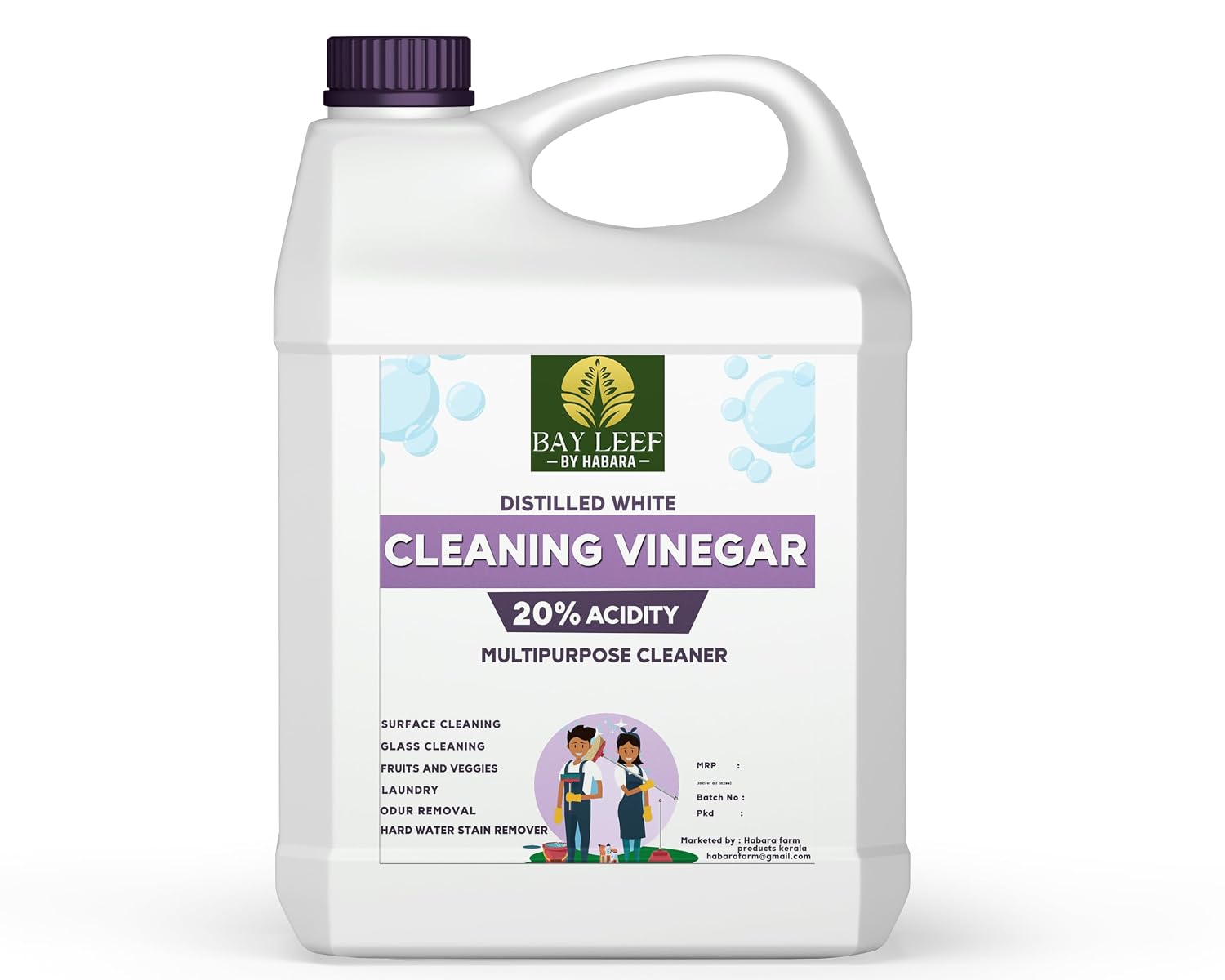
3. Distilled White Vinegar (5% Acidity)
Our top choice for the vinegar solution method. Distilled white vinegar is clear, odourless after drying, and has natural antifungal properties. Mix one part vinegar with three parts distilled water for a safe silk treatment. Available at any grocery store.

4. PrettyKrafts Individual Muslin Wrap Organiser
Breathable storage is essential after treatment. This muslin organiser lets moisture escape while keeping dust out. Use it for your treated saree during the 4-week isolation period and beyond. Prevents recurrence by eliminating trapped moisture.

5. Organic Dried Neem Leaves (500g Pack)
Natural antifungal protection for post-treatment storage. Fill small muslin pouches with dried neem leaves and place one in the treated saree's compartment. Safe for silk, zero chemicals. Replace every 4-6 weeks for continuous protection.

6. Soft Natural Bristle Brush for Silk
A dedicated soft-bristle brush for gentle dry brushing of silk. The natural horsehair bristles are soft enough for delicate silk but firm enough to lift dead spores. Use exclusively for silk to avoid cross-contamination with other fabrics.
For more storage solutions, see our best saree storage boxes guide and our full article collection.
Comparison: Fungus Prevention vs Removal
After you have successfully removed fungus from your silk saree, the question naturally arises: should I invest time and money in prevention, or just deal with fungus if it appears? The table below compares the two approaches across five critical factors. The answer is clear — but the data is worth reviewing.
| Factor | Prevention | Removal |
|---|---|---|
| Annual Cost | Rs. 800-1,500 (silica gel + neem + hygrometer) | Rs. 500-8,000 per incident (varies by severity) |
| Time Investment | 5 minutes weekly | 2-7 days per episode (sunning + treatment + isolation) |
| Success Rate | 95%+ (never get fungus) | 60-90% for mild; 20-40% for severe |
| Risk to Silk | Zero (correct materials only) | Moderate (aggressive treatments can damage silk) |
| Emotional Cost | None (peace of mind) | High (losing or damaging an heirloom) |
| Knowledge Required | Low (simple weekly checklist) | High (must assess damage, choose correct method) |
Costs based on Indian market prices for 2026. Removal costs increase significantly for heirloom pieces requiring textile conservation.
The conclusion is straightforward: prevention costs less time, less money, and carries zero risk. Our companion guide on how to prevent fungus on silk sarees covers the complete prevention system. If you have already dealt with fungus once, you know the cost. Let that experience motivate you to build a prevention system that ensures you never need to learn how to remove fungus from silk sarees again.
Frequently Asked Questions About Removing Fungus from Silk Sarees
Yes, mild to moderate surface fungus can be completely removed from silk sarees if caught early. Methods include gentle sunning in indirect sunlight, dry brushing with a soft brush, professional dry cleaning, and diluted white vinegar solution for stubborn spots. Success depends on catching the fungus within the first 7-10 days before it penetrates the silk protein fibres. Severe cases with fabric degradation may leave permanent discolouration even after successful spore removal.
Ultraviolet light from sunlight kills fungal spores naturally without chemicals — expose the saree to indirect sunlight for 2-4 hours. A diluted white vinegar solution (1 part white vinegar to 3 parts distilled water) has antifungal properties that kill spores on contact. Professional dry cleaning solvents also kill spores effectively. For persistent cases, a textile conservator may use specialized antifungal treatments safe for silk protein fibres. Never use bleach on silk — it dissolves the protein fibres.
Yes, but with caution. White vinegar is a mild acid with natural antifungal properties that can kill mold spores on silk. Mix one part distilled white vinegar with three parts distilled water. Test on an inconspicuous area first — the hem or inner seam. Apply the solution sparingly using a clean white cloth or cotton ball to the affected area. Dab gently, do not rub. Let it air dry in a shaded, ventilated area. If the colour remains stable after 24 hours, you can treat the full affected area. Rinse with a damp cloth dipped in plain distilled water and air dry completely.
Sun drying helps kill fungal spores through ultraviolet exposure, but it must be indirect sunlight. Direct, harsh sunlight fades silk colours and weakens the protein fibres. Drape the saree in dappled or morning sunlight for 2-4 hours. Turn it once to expose both sides. Sunning alone is usually not enough for visible mold — it must be combined with dry brushing, dry cleaning, or vinegar treatment. After sunning, brush off dead spores gently with a soft brush.
To remove mildew smell from silk, start by sunning the saree in indirect sunlight for 3-4 hours — UV light kills the odor-causing spores. Brush the fabric gently with a soft brush to release trapped spores. For persistent odour, mix equal parts white vinegar and distilled water, lightly dampen a clean cloth with the solution, and gently blot the fabric. Hang in a well-ventilated shaded area for 24 hours. If the smell remains, professional dry cleaning is the most reliable option. Store the saree with a small pouch of baking soda or activated charcoal nearby to absorb any residual odour.
Consult a textile conservator if: the fungus has penetrated through to the reverse side of the fabric, the silk feels brittle or disintegrating when touched, the saree has significant colour bleeding or loss around affected areas, there are black or dark green patches (deep fungal penetration), or the saree is a valuable heirloom piece where any further damage is unacceptable. Conservators have access to specialized treatments including vacuum suction tables, enzyme cleaning, and controlled humidity chambers that reverse fungal damage without further harming the silk. Expect to pay Rs. 2,000-8,000 depending on the saree size and damage extent.
Complete Your Saree Care Library
You now know how to remove fungus from silk sarees. Build on this knowledge with our complete guides — from how to store sarees for long time to monsoon protection and moisture control. Explore everything we have tested and written.
Expert-tested through 3 monsoon seasons in Mumbai • Methods safe for heirloom silk • Practical advice for Indian homes